
Schlagworte
herbivory
insect damage
plant protection
Abstract
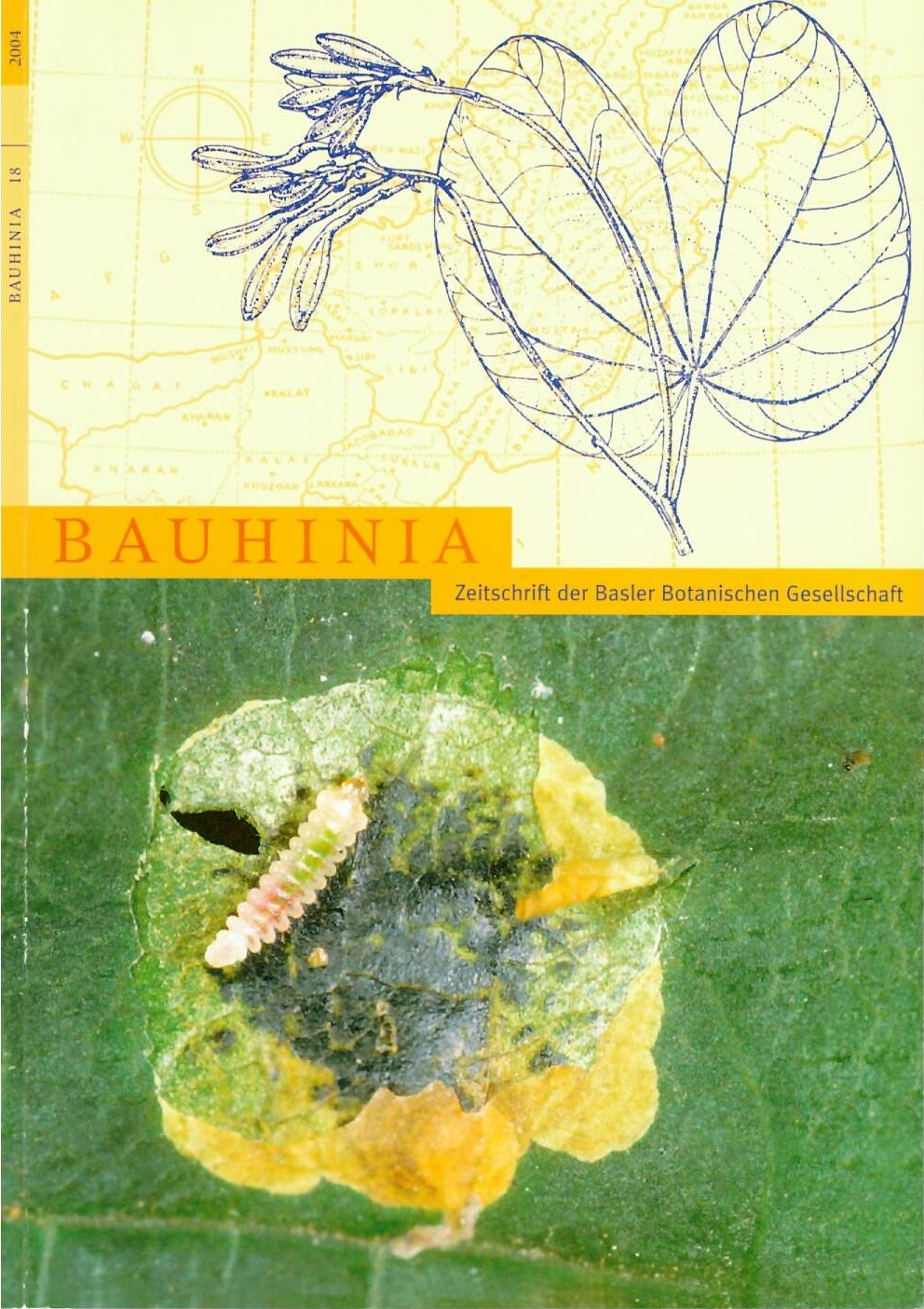
The European horse chestnut (Aesculus hippocastanum L.) is a beautiful park and alley tree, characterized by its stately habitus, its densely foliated top, its dense, erect, candle-like inflorescences of splendid white flowers marked by reddish or yellow signs, and its curious fruits, resembling the medieval weapon «morning-star» and containing single, dark brown, shiningly polished seeds. It is the only European member of the genus Aesculus, which has 20–25 members worldwide. Having survived in relic forests in the Balkan, it conquered Europe as an ornamental tree in the 16th century and is now present in virtually every European town. The horse chestnut was a particularly healthy-looking tree until 1989, when the horse chestnut leaf miner spread in a huge wave over all of Europe and left its ugly brown marks on virtually every single horse chestnut leaf. The reason for this devastating epidemic remains unknown, but the insect responsible, Cameraria ohridella, was discovered as a new species in the year 1984, close to the Macedonian city of Ohrid. This tiny moth deposits up to 200 eggs on horse chestnut leaves. The larvae mine inside the leaf, pupate and emerge as adults after only a few weeks, such that up to five generations per year are possible. In this way, the moth is able to form huge populations. Its dispersal is massively helped by the present-day mobility of people who spread it inadvertently by lorries, trains and cars.

Dieses Werk steht unter der Lizenz Creative Commons Namensnennung 4.0 International.
Copyright (c) 2025 Dr. Verena Wiemken, Prof. Dr. Thomas Boller